| Stretch a map along Florida's west coast from Punta Gorda and Port Charlotte, south through North Fort Myers and Fort Myers Beach, then flip it around and run north past Sarasota, Bradenton, and Clearwater into Tampa Bay, and you've traced one of the most popular retirement corridors in the country. Retirees come for the water, the winters, and the price of admission compared to the east coast or to California. They stay, mostly, because the lifestyle delivers on what the brochures promise. But anyone thinking seriously about relocating here deserves a straight answer on the weather, on how the homes are actually built, and on what there is to do once the moving truck pulls away. So let's talk about all of it, plainly. |
| The Weather: What Nobody Puts on the Postcard |
| From November through April, this stretch of coast is about as close to perfect as weather gets in the continental United States. Daytime highs sit comfortably in the 70s, humidity drops, the rain mostly disappears, and you get long stretches of blue sky that make snowbirds from Ohio and Ontario wonder why they waited so long. That's the season the whole industry is built around, and it earns its reputation honestly. |
| Summer is the trade-off, and it's a real one. From June through September, expect highs in the low 90s with humidity that makes it feel closer to 105, near-daily afternoon thunderstorms that roll in like clockwork around 3 or 4 p.m., and mosquitoes that mean business, especially inland near Arcadia and along the Peace River. Then there's hurricane season, officially June 1 through November 30, with the real risk window concentrated in August, September, and October. This part of the Gulf Coast has taken direct and near-direct hits in recent years, including storms that did serious damage to Fort Myers Beach, Punta Gorda, and Port Charlotte. Anyone moving here needs to make peace with that reality rather than pretend it away: you will track storms, you will have a hurricane plan, and some years you will evacuate. That's the honest cost of the trade for eight months of the best weather in America. |
| The upside worth repeating: the Gulf itself moderates temperatures compared to inland Florida, sea breezes take the edge off summer afternoons near the coast, and the storms that do come are tracked days in advance, which is more warning than most other natural disasters ever give you. |
| Manufactured Homes Built for the Storm, Not Just the Sunshine |
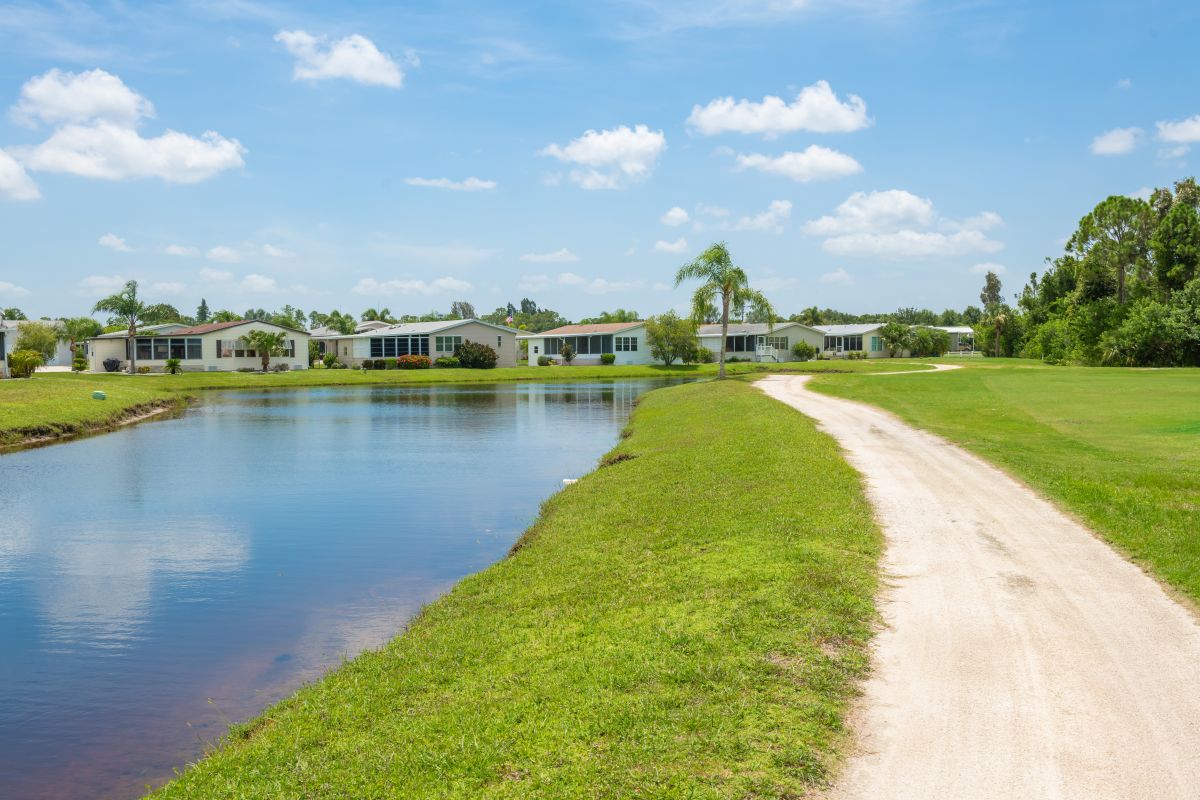
| A huge share of the 55+ communities up and down this corridor are manufactured home communities, and that surprises people who still picture the mobile homes their grandparents warned them about. It's worth being direct about the difference. Every manufactured home built and installed in this part of Florida since the mid-1990s falls under HUD Wind Zone II or Wind Zone III construction standards, the same federal code family used for coastal construction in hurricane-prone regions. Homes in Wind Zone III, which covers most of this Gulf Coast stretch, are engineered to withstand sustained winds in the range of 110 to over 130 mph, depending on the specific code year and installation. |
| That's not marketing language, it's structural engineering. These homes use continuous steel chassis frames, engineered anchoring and tie-down systems drilled into reinforced ground anchors, hurricane straps connecting the roof trusses to the walls and the walls to the frame, and impact-rated or shuttered windows in most newer installations. Roofs on newer manufactured homes are pitched and engineered to shed wind rather than catch it, a major upgrade from the flat-roof designs of decades past. Many communities also require or offer carport, lanai, and porch reinforcements built to the same wind standards as the home itself. |
| None of this means a manufactured home is invincible in a major hurricane, and no honest broker will tell you otherwise. But the gap between a properly installed, code-compliant manufactured home in a well-managed 55+ community and the stereotype most people carry in their heads is enormous. It's a major reason these communities remain affordable while still being viable, insurable, year-round Gulf Coast housing. |
| Nightlife and the Social Scene |
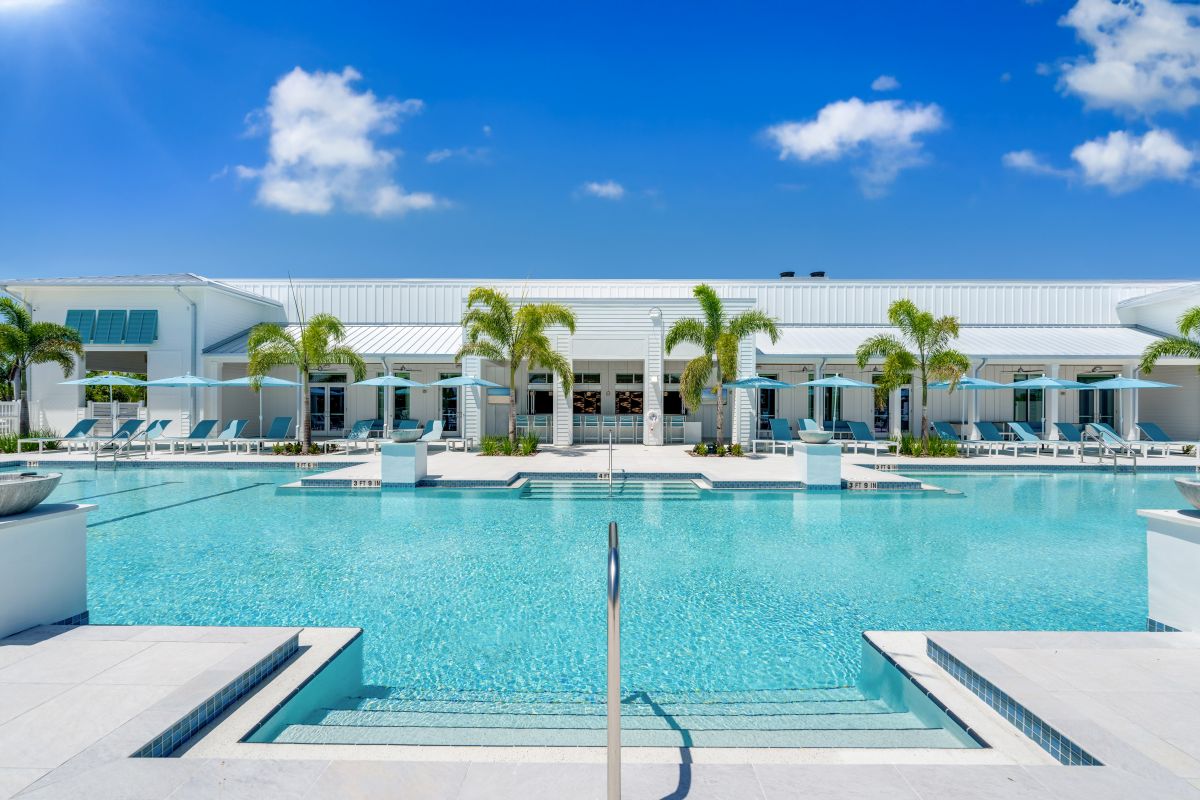
| This isn't Miami, and residents here will tell you that's the point. Punta Gorda's downtown and Fisherman's Village pack in waterfront tiki bars, live music several nights a week, and a walkable historic district that feels more like a small New England harbor town than stereotypical Florida sprawl. Port Charlotte and North Fort Myers lean toward laid-back sports bars, dockside restaurants with sunset happy hours, and community clubhouse entertainment that runs from dance bands to karaoke nights. Fort Myers proper has more range, with a genuine downtown River District featuring rooftop bars, comedy clubs, and a growing craft beer scene. Head north into Tampa Bay and the volume goes up considerably: Ybor City's cigar-bar-turned-nightclub district, Clearwater's beachfront bar scene, and Tampa's concert venues and professional sports calendar (Bucs, Rays, Lightning) give retirees who want a bigger night out an easy day trip or weekend option without having to live in the middle of it. |
| The Beaches |
| This is where the corridor earns its keep. Boca Grande and Englewood Beach, both a short drive from Punta Gorda and Port Charlotte, offer quieter, less commercialized sand with excellent tarpon fishing just offshore. Fort Myers Beach, still rebuilding pieces of its boardwalk and businesses after recent storm damage, remains one of the liveliest beach towns on this coast, with Sanibel and Captiva Islands nearby for shelling that draws collectors from around the world. Push north and you hit Siesta Key near Sarasota, regularly ranked among the best beaches in the country for its quartz-white sand, and eventually Clearwater Beach, a full-service resort beach town with a busy pier, sunset festivals, and a much bigger tourist footprint. Whether someone wants a quiet stretch of sand to read a book on or a lively beach with restaurants and live music, this corridor covers the entire range. |
| Put together, this is a region that asks something of the people who move here: respect for hurricane season, tolerance for a hot and humid summer, and a willingness to plan ahead. In exchange, it offers eight months of the best weather in the country, homes engineered specifically for the conditions they'll face, a genuinely low-key and affordable lifestyle, and a stretch of beaches and evening options wide enough to fit almost anyone's version of retirement. |
|



 0 Recommendations